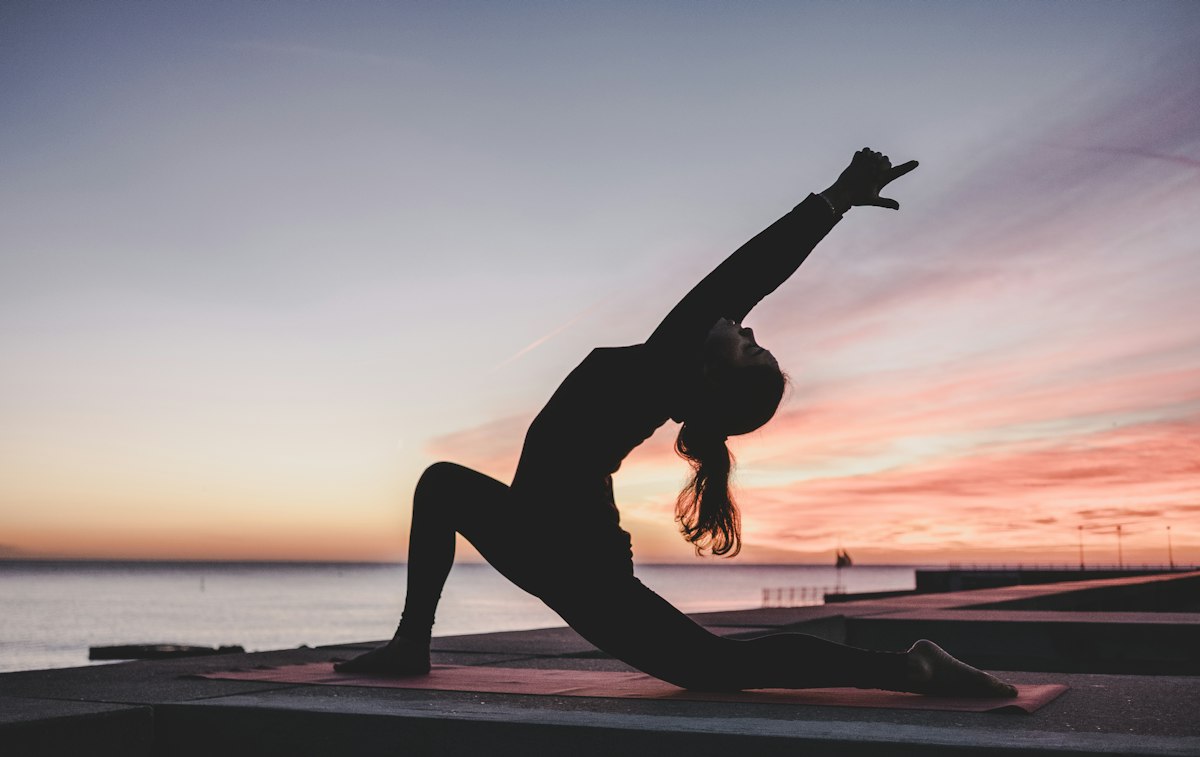
Stress has become an unavoidable part of modern life. While we can't always control the stressors we face, we can develop effective strategies to manage our response to them. Research has identified numerous natural techniques that can help reduce stress and promote overall wellbeing—without medication or expensive interventions.
Understanding the Stress Response
When we encounter a stressor, our body activates the "fight or flight" response, releasing hormones like cortisol and adrenaline. While this response was essential for our ancestors' survival, chronic activation in modern life can lead to health problems including anxiety, depression, digestive issues, and cardiovascular disease.
The good news is that we can learn to activate the body's relaxation response—the opposite of fight or flight—through various techniques and practices.
Evidence-Based Stress Management Techniques
1. Deep Breathing Exercises
Deep breathing is one of the quickest ways to reduce stress. When you breathe slowly and deeply, you stimulate the parasympathetic nervous system, which calms the body and mind.
Try This: 4-7-8 Breathing
Inhale through your nose for 4 counts, hold for 7 counts, then exhale slowly through your mouth for 8 counts. Repeat 3-4 times. This technique can be done anywhere and provides almost immediate relief from acute stress.
2. Mindfulness Meditation
Mindfulness involves paying attention to the present moment without judgment. Regular practice has been shown to reduce stress hormones, improve emotional regulation, and even change brain structure in ways that support wellbeing.
You don't need to meditate for hours to see benefits. Studies show that even 10 minutes of daily mindfulness practice can significantly reduce stress levels over time.
3. Physical Exercise
Exercise is one of the most effective stress relievers available. Physical activity releases endorphins—natural mood elevators—while also providing a healthy outlet for tension and frustration.
The type of exercise matters less than consistency. Whether you prefer walking, swimming, yoga, or strength training, aim for at least 30 minutes of moderate activity most days of the week.
4. Progressive Muscle Relaxation
This technique involves systematically tensing and then relaxing different muscle groups throughout the body. It helps you become more aware of physical tension and teaches you how to release it.
How to Practice
Starting with your feet, tense the muscles for 5 seconds, then relax for 30 seconds. Notice the difference between tension and relaxation. Move progressively up through your body: calves, thighs, abdomen, chest, arms, hands, neck, and face.
5. Time in Nature
Research consistently shows that spending time in natural environments reduces stress hormones and improves mood. Even brief exposure to nature—a walk in a park, gardening, or simply sitting outside—can have calming effects.
This phenomenon, sometimes called "forest bathing" or "nature therapy," has been extensively studied in Japan, where it's prescribed as a form of preventive medicine.
Lifestyle Factors That Impact Stress
Sleep Quality
Poor sleep and stress create a vicious cycle—stress interferes with sleep, and sleep deprivation increases stress. Prioritizing good sleep hygiene can break this cycle:
- Maintain consistent sleep and wake times
- Create a relaxing bedtime routine
- Limit screen time before bed
- Keep your bedroom cool, dark, and quiet
Social Connection
Meaningful relationships are powerful stress buffers. Social support helps us feel understood and less alone in our struggles. Make time for friends and family, even when life gets busy.
Nutrition
What you eat affects how you feel. A balanced diet rich in whole foods provides the nutrients your brain needs to regulate mood and stress. Some particularly helpful foods include:
- Fatty fish (omega-3 fatty acids)
- Dark leafy greens (magnesium)
- Fermented foods (gut-brain connection)
- Nuts and seeds (vitamin E and zinc)
Building Your Stress Management Toolkit
Different techniques work for different people and situations. The key is to experiment with various approaches and build a personalized toolkit you can draw from as needed.
"You can't stop the waves, but you can learn to surf." — Jon Kabat-Zinn
Quick Stress Relievers (1-5 minutes)
- Deep breathing exercises
- Brief stretching or movement
- Stepping outside for fresh air
- Listening to calming music
- Enjoying a cup of herbal tea mindfully
Daily Practices (10-30 minutes)
- Morning meditation or mindfulness
- Regular exercise routine
- Journaling or gratitude practice
- Evening wind-down routine
When to Seek Professional Help
While these techniques are effective for everyday stress, chronic or severe stress may require professional support. Consider consulting a healthcare provider or mental health professional if:
- Stress significantly interferes with daily functioning
- You experience persistent anxiety or depression
- Physical symptoms like chest pain or breathing difficulties occur
- You're using substances to cope with stress
Start Today
Managing stress is a skill that improves with practice. Choose one technique from this article and commit to trying it for a week. Notice how you feel before and after, and adjust your approach based on what works for you.
Remember, the goal isn't to eliminate stress entirely—that's neither possible nor desirable. Instead, aim to develop resilience and effective coping strategies that help you navigate life's challenges with greater ease and wellbeing.
← Back to Articles